Pinky History: A Modern Script Font for Web Design
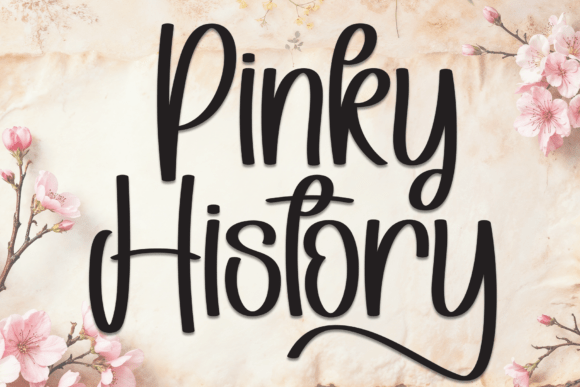
As digital creators, we often find ourselves balancing the need for clean, functional interfaces with the desire to inject personality and warmth into our projects. In the crowded landscape of web design, standing out requires more than just a responsive grid; it demands a distinct visual voice. This is where Pinky History enters the conversation. As a stylish handwritten script font from the Script Amp collection, it offers a unique blend of elegance and modern flair that can significantly elevate your brand identity.
Unlike rigid geometric typefaces, Pinky History features flowing strokes and organic curves. These characteristics bring a sense of humanity to digital screens, making it an excellent choice for designers looking to soften the coldness of technology. When used correctly, this script font does not just display text; it conveys emotion, trust, and sophistication.
Enhancing Visual Hierarchy in Digital Layouts
In UI and UX design, visual hierarchy guides the user’s eye through content. A display font like Pinky History serves as a powerful tool for establishing this hierarchy. Because of its decorative nature, it naturally draws attention. I recommend using it primarily for hero sections, large headlines, and short introductory phrases on landing pages. When a visitor lands on your site, the contrast between a bold, elegant script header and a clean body font creates immediate interest.
However, readability remains paramount. While Pinky History is beautiful, it is not designed for long-form body copy. Its strength lies in brevity. Use it for:
- Hero titles on homepages
- Section headings in one-page scrolls
- Call-to-action buttons where space allows
- Quote blocks in blog posts
- Logo text for boutique brands
By restricting its use to these high-impact areas, you maintain legibility while maximizing aesthetic appeal. This approach ensures that the modern typography enhances rather than hinders the user experience.
Building Trust and Brand Tone
Your choice of typeface communicates your brand’s personality before a user reads a single word. A handwritten font suggests authenticity, care, and a personal touch. For coaches, consultants, and creative entrepreneurs, Pinky History can bridge the gap between professional expertise and approachable warmth. It tells the audience that there is a human behind the screen.
For online store owners, especially those selling handmade goods, jewelry, or lifestyle products, this font adds a layer of perceived value. It transforms a standard product banner into a curated editorial moment. When users perceive higher quality in the design, they are more likely to trust the brand with their purchases. This psychological impact is crucial for conversion-focused layouts.
Practical Applications Across Digital Products
The versatility of Pinky History makes it suitable for various digital contexts. Consider a coaching website where the primary goal is connection. Using this font for testimonial headers or course module titles can make the content feel more inviting. Similarly, on a portfolio site, it can add a creative flair to project titles, distinguishing your work from generic templates.
In the realm of social media graphics and digital ads, consistency is key. Using the same script font across your website banners, Instagram stories, and email headers reinforces brand recognition. It creates a cohesive visual language that users begin to associate with your specific style and values.
Readability Considerations for Mobile and Responsive Design
Designing for mobile requires extra caution when using script fonts. On smaller screens, intricate details can become muddy or illegible. To ensure Pinky History performs well on all devices:
- Increase letter spacing slightly to prevent strokes from touching.
- Avoid using all caps, as script fonts lose their natural flow and readability in uppercase.
- Ensure sufficient contrast against the background. Dark text on light backgrounds or vice versa works best.
- Test size carefully. What looks elegant on a desktop monitor may be too small on a smartphone. Increase the font size for mobile breakpoints.
When placing text over image overlays, use a solid or semi-transparent backdrop to ensure the delicate curves of the font remain visible. This prevents the text from getting lost in busy photographic elements.
Strategic Font Pairing for Web Design
No font exists in isolation. The success of Pinky History depends heavily on what it is paired with. Since it is a decorative script font, it needs a neutral partner to balance the composition. A clean sans serif font is often the best choice for body copy. The simplicity of sans serifs provides a stable foundation that allows the script to shine without competing for attention.
Alternatively, for a more editorial or luxurious feel, you might pair it with a classic serif font. This combination works well for fashion blogs, luxury real estate sites, or high-end e-commerce platforms. The serif adds tradition and authority, while Pinky History adds modern elegance. Avoid pairing it with another decorative or handwritten font, as this can create visual chaos and reduce professionalism.
Technical Specifications and Licensing
Before integrating any premium font into your workflow, verify the technical details. Check if Pinky History includes webfont formats such as WOFF and WOFF2, which are essential for fast loading and crisp rendering on browsers. Look for included alternates or ligatures that can add variety to your designs without breaking the visual consistency.
Multilingual support is another critical factor if you are designing for a global audience. Ensure the character set covers the languages required for your client’s market. Additionally, always review the commercial font licensing terms. Whether you are building a site for a client, creating digital templates for sale, or launching your own online store, proper licensing protects you and respects the creator’s work. Most reputable sources, including Script Amp, provide clear guidelines for web usage, app embedding, and digital product inclusion.
In conclusion, Pinky History is more than just a set of glyphs; it is a design asset that can transform the tone of your digital presence. By understanding its strengths in visual hierarchy, brand storytelling, and strategic pairing, you can leverage this creative font to build more engaging, trustworthy, and aesthetically pleasing web experiences. Use it with intention, respect its limitations regarding readability, and let its organic curves bring warmth to your next digital project.